Being sued over a debt is stressful, but you have rights and options. Many debt lawsuits are filed by companies that bought old accounts, and many of those companies win only because the person sued never responds. This kit shows you how to respond, make the plaintiff prove its case, and protect yourself.
Get the kit on Etsy · $24Join the free community1. Find your response deadline on the summons. 2. Write it in your Case Calendar and Deadline Tracker. 3. Do not ignore the papers. If you do nothing, the court can enter a default judgment against you.
Most debt lawsuits move through these six stages. Each stage page starts with a map showing where you are.
The golden rule: Respond by your deadline, every time. Most debt cases are lost by default, not on the facts. Even if you owe something, responding gives you the chance to check the amount, raise defenses, and negotiate.
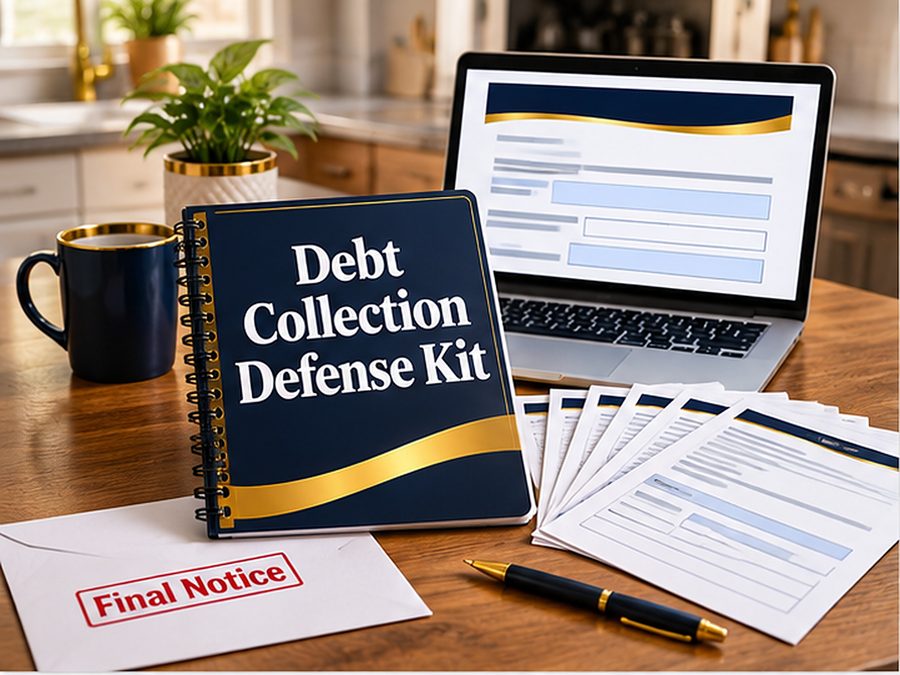
$24 · instant download · 13 fillable PDFs
Buy on EtsyUse this kit if a creditor, collection agency, or debt buyer has filed a lawsuit against you to collect money, such as a credit card, medical bill, personal loan, or old account.
This kit is not for bankruptcy, foreclosure, student loans owed to the federal government, or tax debts. Those follow different rules.
The forms are fillable PDFs. Type into each box in the free Adobe Acrobat Reader, save, and print. ReadyPro Se is the first self-help legal tech tool created by J.D.s and attorneys, not tech companies.
Deadlines differ by state and by court. Check the papers you received and your court's rules.
Possibly. Debts are often sold to debt buyers. Confirm the case with the court, not with a phone number in the papers.
Improper service can be a defense. Raise it in your answer or in a motion to dismiss, and do it early.
It is the time limit to sue. It varies by state and by type of debt, and it often runs from the last payment or default. Check your state’s law.
It can still help you gather information, especially within 30 days of the collector’s first contact. But it never replaces your court response.
You can try, but the lawsuit continues until the case is dismissed. File your response anyway, and get any deal in writing.
When there is a clear legal problem, such as improper service, the wrong court, or a claim filed after the statute of limitations.
Common ones include the statute of limitations, lack of standing, an incorrect amount, payment, identity theft, and improper service.
If a debt collector broke the FDCPA, for example by using false statements, you may be able to sue it back. These claims have short deadlines, so talk to a consumer attorney.
Responding to a debt lawsuit takes courage. Take it one stage at a time, keep every paper, and never let a deadline pass.
Get the Debt Collection Defense KitJoin Represent Yourself Academy