An old arrest or conviction can follow you into job, housing, and school applications. Many states let people expunge or seal eligible records. This kit helps you find out what is on your record, check whether you qualify, file a petition, prepare for a hearing, and make sure your record is actually updated.
Get the kit on Etsy · $24Join the free communitySome states now clear or seal certain records automatically, often called Clean Slate laws. Before you file, check your state court or state police website, or ask legal aid, whether your record may already qualify for automatic relief.
Most expungement cases move through these six stages over two to six months.
The golden rule: Know exactly what is on your record before you file. Wrong case numbers or charges can get your petition denied or delayed.
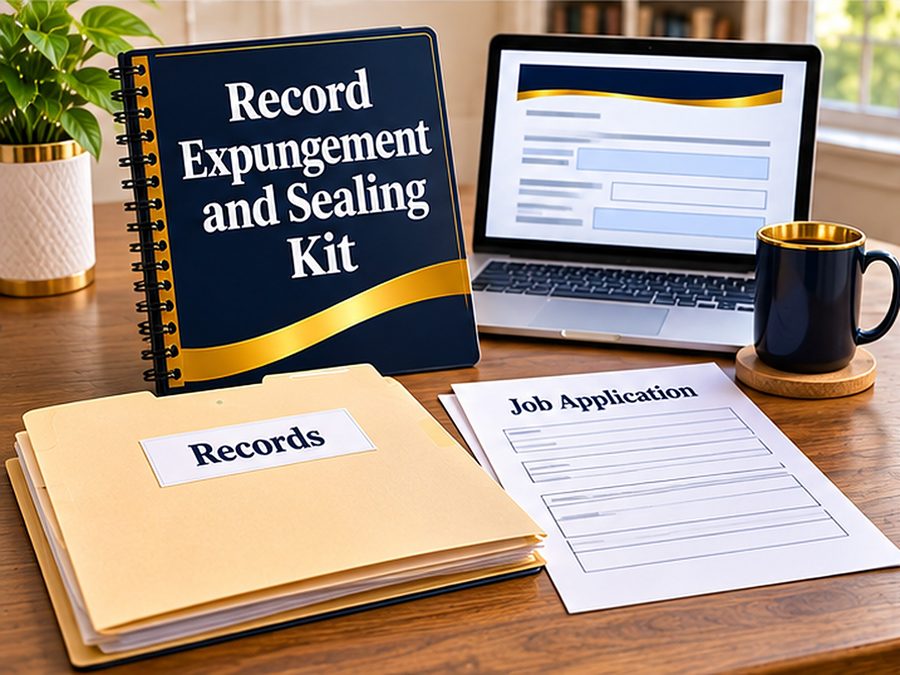
$24 · instant download · 13 fillable PDFs
Buy on EtsyUse this kit if you have a state arrest, charge, or conviction record and want to find out whether it can be expunged or sealed, and how to ask the court.
This kit is not for federal records, which generally can’t be expunged, or for immigration matters. If you are not a U.S. citizen, talk to an immigration lawyer before filing.
The forms are fillable PDFs. Type into each box in the free Adobe Acrobat Reader, save, and print. ReadyPro Se is the first self-help legal tech tool created by J.D.s and attorneys, not tech companies.
Deadlines differ by state and by court. Check the papers you received and your court's rules.
Your state record and court searches will show them. Many states have online court case searches by name.
Not always. It can help you find out-of-state cases. You can request an Identity History Summary from the FBI for a fee.
Expungement usually means the record is destroyed or treated as if it never happened. Record sealing usually hides it from the public but keeps it for some agencies. States use these words differently.
In some states, a pardon makes a record eligible for clearing. Pardons are a separate process through the governor or a board.
Many people file on their own, especially for dismissed cases. Legal aid clinics often review petitions for free.
Briefly take responsibility, then focus on what you have done since: work, school, family, treatment, and service.
Usually the prosecutor’s office that handled the case. Some states also require the state police or arresting agency.
Fees vary from nothing to a few hundred dollars. Many states waive fees for dismissed cases or for people with low income.
Clearing your record is a fresh start. Be thorough, be honest, and follow up until every agency has updated its files.
Get the Record Expungement and Sealing KitJoin Represent Yourself Academy